Stay Calm and Act in This Order
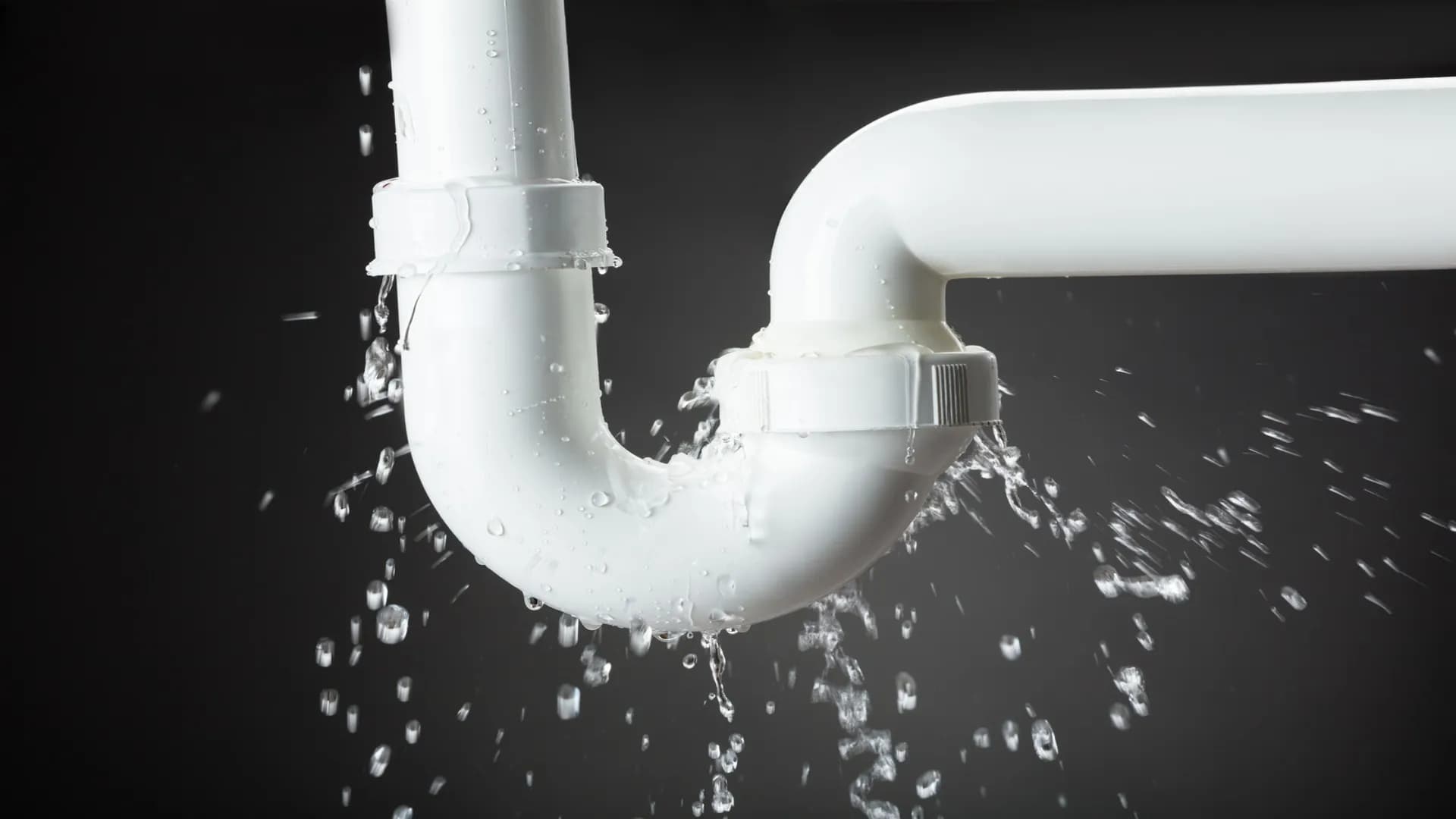
A burst pipe feels like an emergency because it is one. Water spreads quickly, and the longer it flows, the more it damages floors, furniture and the units around you. These steps help you limit the damage while you wait for help.
The First 10 Minutes
- Stop the water. Close the nearest isolating valve for that fixture or pipe. If you cannot find it or it does not work, close the main water supply valve to your home.
- Be careful with electricity. If water is near sockets, appliances or the distribution board, do not walk through standing water. Switch off power only if you can reach the switch safely and dry.
- Open a low tap. After the supply is shut, opening a tap at the lowest point helps drain remaining water from the pipe.
- Protect belongings. Move furniture, rugs, electronics and documents away from the water.
- Contain the water. Use towels, buckets and a mop to slow spreading, especially toward doorways and neighbours.
- Take photos and videos. They help with insurance claims and discussions with management.
- Call a plumber. Explain what happened and where the water is coming from so the right tools and parts can be brought.
Safety note: Do not touch electrical items while standing in water. If you are unsure whether it is safe, stay out of the area and wait for professional help.
Where to Look for Shut-Off Valves
| Location | What to Look For |
|---|---|
| Under basins and kitchen sinks | Small angle valves on supply lines |
| Behind the toilet | Angle valve feeding the cistern |
| Near the water heater | Isolating valve on the inlet pipe |
| Service yard or kitchen area | Washing machine tap and branch valves |
| Main entry point of your unit | Main isolating valve near the water meter |
Locate these now, before you need them. Show every adult in the household where they are and make sure the valves turn freely.
What Not to Do
- Do not ignore a small leak and wait to see if it stops
- Do not hack walls or floors to find the pipe
- Do not use tape or sealant as a permanent fix
- Do not forget to inform your neighbours or management if water may be affecting other units
After the Emergency
Once the water is stopped, the pipe needs a proper repair. A temporary patch can fail again, often at the worst time. A plumber will repair or replace the damaged section, test the line for leaks and advise whether nearby pipes show signs of wear.
If your pipe is leaking and you need help, contact us right away.
Why Pipes Burst or Leak Suddenly
A burst pipe seems to come out of nowhere, but there is usually a reason behind it. Understanding the common causes helps you reduce the chances of it happening to you.
- Ageing pipes: metal pipes can corrode and thin out, and plastic components can become brittle.
- Physical damage: drilling or hacking during renovation may puncture or crack a concealed pipe.
- Faulty joints: a poorly made or aged joint can suddenly separate under pressure.
- Pressure surges: sudden changes, such as water hammer, can stress weak points.
- Failed flexible hoses: hoses under sinks, behind toilets and at washing machines can burst without warning.
Prepare Before an Emergency Happens
The best time to prepare for a burst pipe is when everything is working. A few simple steps can save you precious minutes later.
- Find your main water shut-off valve and test that it turns smoothly.
- Locate the isolating valves for each bathroom, the kitchen, the heater and the washing machine.
- Tell everyone in the household where the valves are and how to close them.
- Save your plumber's number and your building management's contact in your phone.
- Keep a torch, a few towels and a bucket in an easy-to-reach place.
Understanding the Severity
| Situation | How Urgent? | Immediate Action |
|---|---|---|
| Fast spray or gushing water | Very urgent | Close the main valve, protect electrics, call a plumber |
| Steady leak from a flexible hose | Urgent | Close the local isolating valve and contain the water |
| Slow drip at a joint | Soon | Place a container, close the valve if possible and book a repair |
| Damp wall with no visible source | Investigate promptly | Do a meter test and arrange leak detection |
Protecting Your Home While You Wait
Once the water is off, you still have a short window to reduce damage before the plumber arrives.
- Lift rugs and move furniture away from wet areas
- Remove water from floors with towels, mops or a wet vacuum if it is safe to do so
- Open windows and use fans to help air circulate
- Place buckets under ceiling drips and puncture nothing unless it is safe and necessary
- Photograph damage before cleaning for your records
Telling the Right People
If you live in an apartment or a shared building, a leak can affect other residents. Let your neighbours below or beside you know if water may be reaching their unit. Inform your building management so they can advise on any shutdown, common area issues or required procedures.
If you have home insurance, read your policy and contact your insurer quickly. Share the photos you took and keep receipts for emergency repairs and cleaning.
What a Plumber Does at an Emergency Visit
- Makes the situation safe. The plumber confirms the water is shut off and checks for obvious hazards.
- Finds the source. They trace the leak to the damaged pipe, joint or fitting.
- Explains the options. You will hear whether a repair or a replacement section is needed.
- Repairs the damage. The faulty part is replaced with suitable materials and fittings.
- Tests the system. Water is restored slowly and the repair is checked under pressure.
- Advises on next steps. This may include drying the area, checking nearby pipes or arranging follow-up work.
Temporary Fixes: What Is Safe and What Is Not
Some products promise instant repairs for leaking pipes. They may buy you a little time, but they are not a substitute for a proper repair.
- Safe as a short-term measure: wrapping a small leak with repair tape or a clamp, only after the water is off and with the intention of calling a plumber.
- Not safe: leaving a taped pipe under pressure for days or weeks.
- Not safe: applying sealant to a pipe that is still wet or flowing.
- Not safe: cutting into walls or floors without knowing where electrical wiring runs.
Remember: Temporary measures are about limiting damage until a professional arrives. A proper repair means replacing the failed part and testing the line.
Drying Out After a Leak
Even after the leak is repaired, moisture may remain in walls, floors and ceilings. Left alone, it can lead to mould, peeling paint and swollen materials. Ventilate the area for as long as needed, and if the water has soaked into walls or under flooring, ask a professional whether additional drying is needed before you repaint or refit anything.
Reducing the Risk of Future Emergencies
- Replace old flexible hoses every few years and whenever they show wear
- Have new renovation pipework pressure tested
- Use a plumber for any work that touches water pipes
- Check your water meter regularly for unexplained movement
- Switch off the main valve if you will be away for a long time
- Fix small drips and leaks early before they grow
Quick Recap
When a pipe bursts, speed and calm matter most. Shut off the water, keep clear of electrics, protect your belongings and call a plumber. Afterwards, ensure the repair is done properly and the area is dried. A few minutes of preparation today can save you days of stress and a great deal of cost tomorrow.
Need a Plumber in Singapore?
Talk to the team at SG Plumbing Service Pte Ltd for a clear quote before any work starts.
- Phone: +65 8434 3660
- WhatsApp: +65 8544 8704
- Email: sgplumbingservice@gmail.com
- Address: 234 Serangoon Road, #04-234E, Singapore 218083
- Website: www.sgplumbingservice.com